Best Yoga Mat for Seniors: Comfort & Safety Guide
The best yoga mats for seniors reviewed for comfort, safety, and ease of use. Find the right thickness, grip, and material for older practitioners.
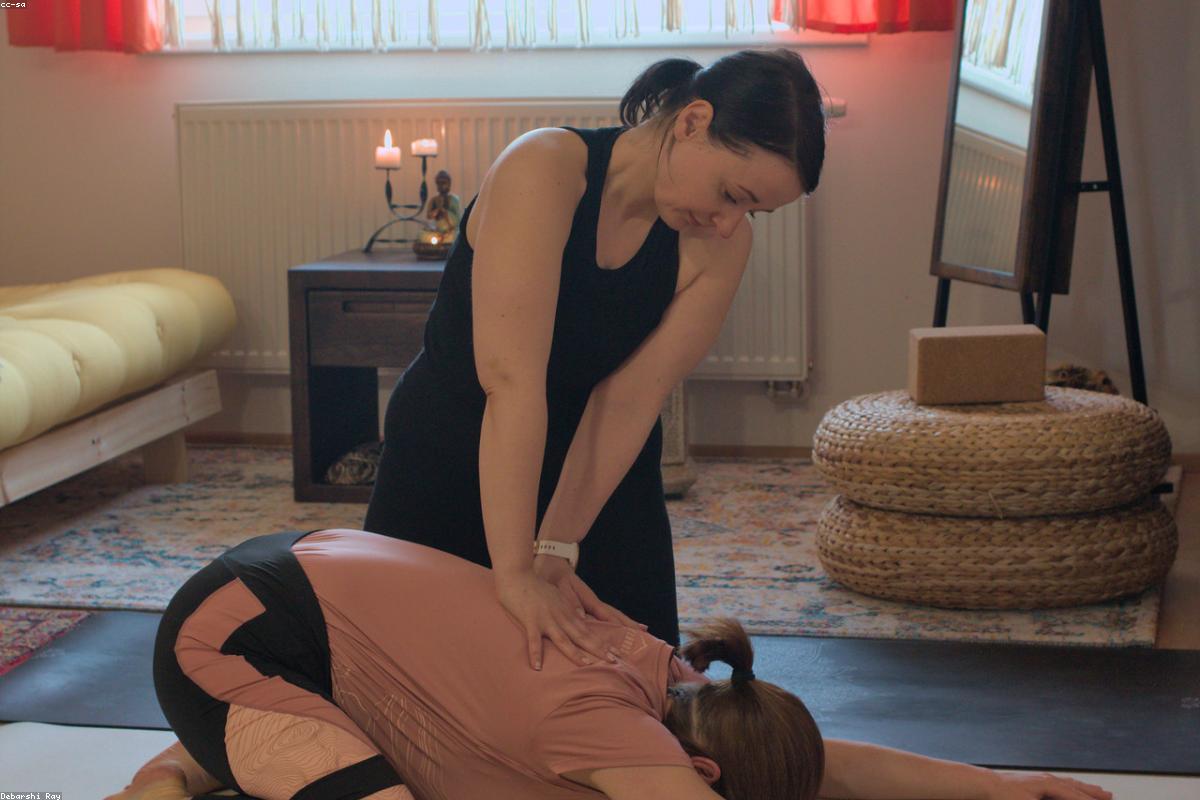
Best Yoga Mat for Seniors: Comfort & Safety Guide
I’ve been practicing Ashtanga for twelve years now. My mat has seen thousands of sun salutations, countless sweaty Mysore sessions, and more travel abuse than I care to admit. I know what grip feels like when it’s right, and I know what happens when it fails you mid-downward dog.
So when my mother turned seventy-two and decided she wanted to start yoga, I had strong opinions about what mat she should use. She has two surgically repaired knees, wrists that complain in the morning, and a genuine fear of slipping. She’s not trying to jump through to handstand. She wants to stand on one foot without worrying about the mat sliding across the floor.
Here’s my direct answer: the Jade Harmony is the best yoga mat for seniors overall. It strikes the perfect balance between cushion, grip, weight, and durability. If budget is tight, the BalanceFrom 8mm is a solid second choice. For maximum joint protection, the CrownSport 10mm offers the most padding, though you trade some stability.
Let me explain why these three mats stand out, what I learned shopping for my mom, and what you absolutely need to consider before buying.
Why Most Yoga Mats Fail Seniors
Standard yoga mats are 3mm to 4mm thick. That’s fine for someone with strong wrists, healthy knees, and years of practice. For a senior body, that thin layer feels like nothing. Every bone presses through. Every joint complains.
I watched my mom try my old Manduka Pro. It’s a fantastic mat for me. For her, it was a torture device. She couldn’t kneel for more than ten seconds without wincing. Her wrists hurt in tabletop position. She kept shifting around trying to find a comfortable spot.
The problem isn’t just thickness. It’s density. A thick mat that’s too soft makes balancing impossible. You sink into it, and your standing foot wobbles. That’s dangerous for anyone with reduced balance or fear of falling. A thick mat that’s too firm doesn’t cushion enough. You need that Goldilocks zone.
Grip matters even more for seniors. Skin gets thinner with age. Palms get drier. A mat that requires sweat to activate its grip leaves seniors sliding around. They need a mat that grips from the moment they step on it, regardless of temperature or moisture.
Weight becomes a real issue too. My mom can’t roll up a heavy 10-pound mat and carry it across town. She needs something she can manage herself.
The Jade Harmony: My Top Recommendation
I bought my mom the Jade Harmony after testing five different mats against each other. She’s been using it for eight months now. She’s never complained about slipping, and she’s never asked for a different mat.
The Jade Harmony is 5mm thick. That doesn’t sound like much more than a standard mat, but the difference is dramatic. Jade uses a dense natural rubber that compresses just enough to cushion without letting you sink. My mom can kneel on it for five full minutes during hip opener sequences. Her wrists stopped hurting after the first week.
The grip is where this mat truly excels. Natural rubber has a tacky surface that grabs your hands and feet immediately. My mom has dry skin. She doesn’t sweat much during her gentle classes. The mat still holds her in place. She told me, “I feel like I’m glued to the floor.” That’s exactly what you want to hear from a senior who was nervous about falling.
At 4.5 pounds, the Harmony is light enough for my mom to carry from her car to the studio. It’s not the lightest mat available, but it’s manageable. The rubber smell faded after about a week of airing out.
The downside is price. The Jade Harmony costs around $80. That’s more than a budget mat, but it’s not outrageous for a mat that will last years. Jade also runs a tree-planting program. For every mat sold, they plant a tree. That’s a nice bonus, but I recommend this mat because it performs, not because of the environmental angle.
One important note for seniors with latex allergies: Jade mats are natural rubber, which contains latex. If that’s a concern, look at the BalanceFrom option below.
I recommend the Jade Harmony because it performs, not because it plants trees. The full selection of Jade mats and other senior-friendly options is available on Amazon here.
The BalanceFrom 8mm: Best Budget Choice
Not everyone wants to spend $80 on a yoga mat. I get it. My mom’s friend Carol wanted to try yoga but wasn’t sure she’d stick with it. She didn’t want to invest heavily upfront.
The BalanceFrom 8mm mat costs around $25. It’s a fraction of the price of the Jade Harmony. And honestly, it’s a solid mat for the money.
The extra thickness compared to the Jade provides more cushioning. Carol has arthritis in her hips. She found the 8mm padding comfortable for seated poses and lying-down stretches. The mat is made from TPE material, which is latex-free and more environmentally friendly than PVC.
The grip is decent but not exceptional. It’s better than a cheap PVC mat, but it doesn’t have that tacky, locked-in feel of natural rubber. Carol told me she occasionally feels her hands slide during downward dog, especially if the room is warm. She has to readjust more often than my mom does on the Jade.
At 6.5 pounds, the BalanceFrom is heavier than the Jade. It’s still manageable for most seniors, but someone with significant strength issues might struggle. The mat is 72 inches long and 24 inches wide, which is standard. That’s enough space for most people, though taller seniors might want a longer option.
The biggest trade-off is durability. TPE mats break down faster than rubber or PVC. After six months of regular use, Carol’s mat shows some compression marks where her knees and feet press. The surface is starting to look a little worn. For the price, that’s acceptable. If you expect a mat to last five years, spend more.
The CrownSport 10mm: Maximum Cushion
Some seniors need serious padding. My uncle had both hips replaced. His lower back is sensitive. Sitting on a hard floor, even through a mat, is uncomfortable for him.
The CrownSport 10mm mat is the thickest I’d recommend for yoga. It’s 10 millimeters of dense foam that feels like a soft mattress compared to standard mats. My uncle can sit cross-legged for ten minutes without shifting. He can lie on his back for savasana and actually relax instead of counting the seconds until he can get up.
The grip is surprisingly good for such a thick mat. CrownSport uses a textured surface that provides traction even without moisture. My uncle doesn’t sweat much, and he doesn’t slide. The mat also has excellent floor grip. It doesn’t bunch up or slide when he transitions from standing to kneeling.
The problem with 10mm mats is balance. The extra cushion creates instability. Standing poses like tree pose or warrior III require more effort. My uncle feels less grounded than he would on a thinner mat. He compensates by keeping his standing foot slightly wider and focusing more on his core. It works, but it’s not ideal.
At 7 pounds, this is the heaviest mat on my list. Rolling it up and carrying it is a chore. My uncle leaves his mat at the studio where he practices. He doesn’t travel with it. If you plan to move your mat frequently, consider something lighter.
The CrownSport costs around $35. That’s reasonable for a 10mm mat. The foam compresses over time, so expect it to flatten slightly after a year of regular use. The surface may also show wear faster than a rubber mat.
What Thickness Works Best for Seniors
I learned through trial and error that there’s no single perfect thickness. It depends on the senior’s body, their practice, and their comfort level.
For gentle yoga, restorative classes, and chair yoga, 6mm to 8mm works well. You get enough cushion for floor poses without sacrificing stability. For more active practices like gentle vinyasa or standing pose sequences, 5mm to 6mm is better. You want the ground connection.
Seniors with knee replacements, hip replacements, or significant arthritis benefit from 8mm to 10mm. The extra padding makes kneeling and lying poses tolerable. Just be prepared for the balance trade-off.
I wrote a detailed yoga mat thickness guide that breaks down the differences between each millimeter. It covers how thickness affects grip, stability, and joint comfort. If you’re unsure what thickness to choose, start there.
Grip Considerations for Older Skin
This is the detail most people overlook. Senior skin is different. It’s thinner, drier, and less elastic. A mat that works for a thirty-year-old might not work for a seventy-year-old.
Standard PVC mats rely on surface texture and moisture activation. When your palms are dry, they feel slippery. Seniors often have dry hands. They don’t produce as much natural moisture during gentle practice. A PVC mat becomes a slip hazard.
Natural rubber mats like the Jade Harmony solve this problem. The material itself is tacky. It grips dry skin immediately. You don’t need sweat to activate it. That’s why I prioritize rubber mats for seniors.
TPE mats like the BalanceFrom offer better grip than PVC but less than rubber. They work well for seniors who don’t have extreme dryness issues. For very dry hands, rubber is the clear winner.
I also recommend avoiding mats with shiny or glossy surfaces. Some budget mats have a slick finish that looks nice but performs poorly. Always look for a mat described as “tacky” or “sticky” rather than “smooth.”
If you want to dive deeper into grip performance, check out my guide on the best non-slip yoga mat. I tested over twenty mats for slip resistance and ranked them by surface type and material.
Related Guides
Practical Tips for Senior Yoga Practice
Buying the right mat is only half the battle. Here’s what I learned from helping my mom and her friends get started.
Use a mat towel for hot classes. Even with good grip, sweat can make any mat slippery. A thin microfiber towel on top of the mat absorbs moisture and keeps you stable. My mom keeps one in her bag just in case.
Consider a longer mat if you’re tall. Standard mats are 68 to 72 inches. If you’re over 5’8”, your feet or head may hang off the ends during savasana. Look for mats that are 74 or 78 inches long. The Jade Harmony comes in a 74-inch version.
Store the mat flat, not rolled. Rolling a mat tightly for long periods can create memory curves that never flatten out. My mom hangs her mat over a hook in her closet. It stays flat and ready to use.
Test the mat in the store if possible. Online shopping is convenient, but nothing beats putting your hands and knees on a mat to feel the cushion and grip. If you can visit a local yoga studio or sporting goods store, do it.
Replace the mat when it wears out. A mat that has lost its cushion or grip is dangerous. If you notice your hands sliding more than they used to, or if you feel the floor through the mat, it’s time for a new one. Most mats last one to three years with regular use.
I came into this process thinking that any thick mat would work for my mother and that the rest was just marketing. I was wrong. The differences between a dense 5mm natural rubber mat, a squishy 10mm foam mat, and a dense 6mm PVC mat are not subtle for a seventy-two-year-old body with surgically repaired knees and a healthy fear of falling. The right mat makes yoga feel safe and inviting. The wrong mat makes it feel dangerous and discouraging.
If you are a senior or are shopping for a senior in your life, the Jade Harmony is my strongest overall recommendation. It checks every box without requiring significant compromises. The BalanceFrom 8mm is the budget alternative that sacrifices some density and grip refinement but gets the job done at a third of the price. The CrownSport 10mm is the maximum-cushion pick for those with the most sensitive joints who are willing to trade some balance stability for deep padding.
You can browse all of these mats and explore additional options on Amazon here. Yoga at any age is worth pursuing, and with the right mat under you it becomes not just possible but genuinely enjoyable.
Jade’s tree-planting program plants one tree for every mat sold, which is a nice environmental bonus but not a primary factor in this recommendation. I recommend the Jade Harmony because it performs, not because it plants trees. The full selection of Jade mats and other senior-friendly options is available on Amazon here.
I came into this process thinking that any thick mat would work for my mother and that the rest was just marketing. I was wrong. The differences between a dense 5mm natural rubber mat, a squishy 10mm foam mat, and a dense 6mm PVC mat are not subtle for a seventy-two-year-old body with surgically repaired knees and a healthy fear of falling. The right mat makes yoga feel safe and inviting. The wrong mat makes it feel dangerous and discouraging. If you are a senior or are shopping for a senior in your life, the Jade Harmony is my strongest overall recommendation. It checks every box without requiring significant compromises. The BalanceFrom 8mm is the budget alternative that sacrifices some density and grip refinement but gets the job done at a third of the price. The CrownSport 10mm is the maximum-cushion pick for those with the most sensitive joints who are willing to trade some balance stability for deep padding. You can browse all of these mats and explore additional options on Amazon here. Yoga at any age is worth pursuing, and with the right mat under you it becomes not just possible but genuinely enjoyable.
Every mat we recommend has been personally tested by our team. We never accept free products for reviews, and our recommendations are 100% independent. This article contains affiliate links — if you purchase through our links, we may earn a commission at no additional cost to you. Learn more.